The Legend of Bhangarh vs What People Actually Experience
Everyone says there’s a story behind Bhangarh Fort.
Actually… more than one.
Ask around and you’ll hear it quickly. A legend about a curse. A warning that the place should never be lived in again. Something went wrong here, long back, and the land never really recovered.
That’s what people say.
But then you go there.
And what you experience… doesn’t exactly match the drama.
The legend comes first.
It is believed that Bhangarh’s downfall is tied to a curse. Versions differ. Details change depending on who is telling it. But the core idea stays the same — something unnatural caused the sudden collapse of a once-living settlement.
A curse. A warning ignored. And then… silence.
That’s the version that travels.
It’s simple. Easy to remember. Easy to repeat.

Now here’s where it shifts.
Because when you actually enter Bhangarh during the day, the experience is very different.
You don’t walk into chaos or fear.
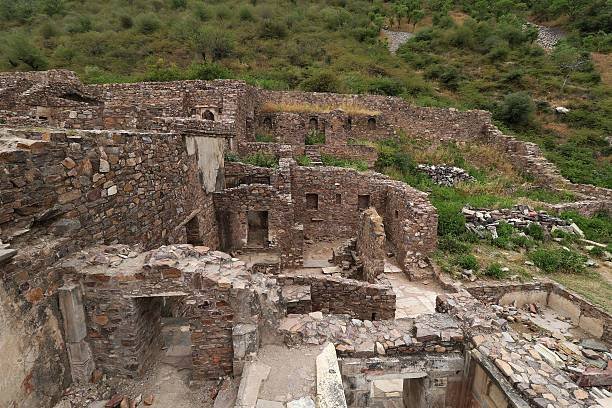
You walk into ruins.
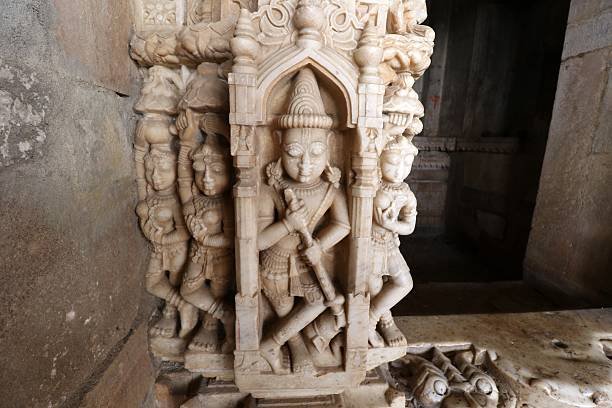
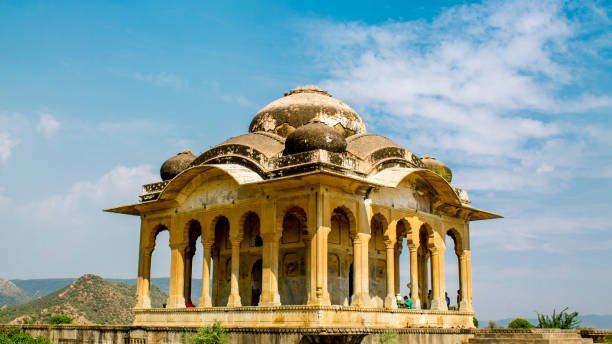
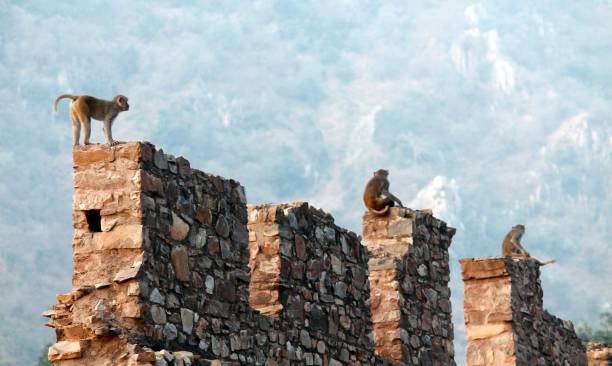
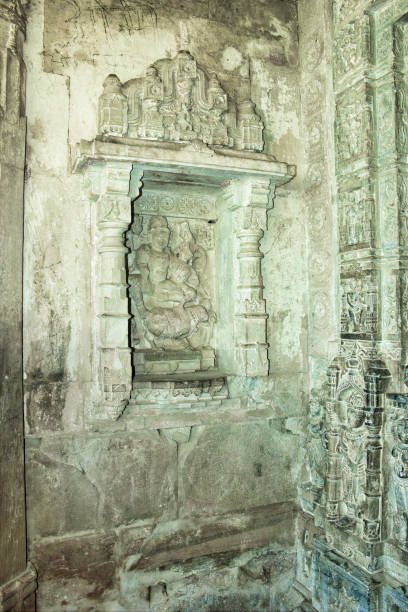
Wide spaces. Broken walls. Old temples still standing. A long market street that now leads nowhere. Monkeys moving around like they own the place.
It feels… still.
Not aggressive. Not threatening.
Just abandoned.
People expect something immediate.
A sound. A feeling. Something unmistakable.
But that rarely happens.
Instead, what most people notice is slower. Subtle.
You walk a little deeper. The crowd thins out. The heat presses down. The silence becomes more noticeable.
Not scary. Just… present.
But that’s only part of it.
Because the legend doesn’t disappear when you enter.
It sits in the background.
You remember it when you see an empty doorway. When you notice how far the ruins stretch without interruption. When the wind moves through broken structures and creates a sound that doesn’t feel familiar.
Nothing unusual has happened.
But you feel something anyway.
This is where experience and legend overlap.
Not in events. In perception.
The fort does not show you anything clearly.
But it creates space for interpretation.
A shadow looks like movement for a second longer than it should. A sound makes you turn even when you know it’s probably nothing.
You don’t panic.
But you don’t feel completely relaxed either.
There are also practical things shaping the experience.
Bhangarh is not surrounded by a busy city. It sits in a quieter stretch, not too far from the forest belt linked to Sariska Tiger Reserve.
So the silence is deeper.
The air feels heavier in the afternoon.
And as the sun starts dropping, even slightly, the place begins to feel less like a tourist spot and more like something you shouldn’t stay in for too long.
That shift is real.
And then there’s the restriction.
The Archaeological Survey of India does not allow entry after sunset.
That adds another layer.
Because now, there’s a boundary.
A point where experience stops and imagination takes over.
No one is inside after dark to confirm what happens.
So the legend keeps growing in that gap.
So what’s the difference between the legend and what people actually experience?
The legend is clear. Dramatic. Complete.
The experience is not.
It’s quieter. Slower. More uncertain.
Nothing jumps out at you.
But something stays with you.
Maybe that’s why Bhangarh continues to hold attention.
Not because it proves anything.
But because it doesn’t.
The legend gives you a story.
The place gives you a feeling.
And the two never fully match.
headingn
- asd
- d
- asd
- asd
- as